
Technology
Underneath every humanoid, robo-dog and drone is a stack of AI models, sensors, actuators and compute. This section unpacks how the technology actually works - without the marketing spin.
Sub-categories
Profiles of the most important robotics companies in the world.
Indian robotics startups, policy, academia and market data.
Rounds, valuations, exits and acquisitions in robotics.
Rules, standards, safety certifications and export controls.
Latest in Technology

A grounded analysis of shipping tactile skin technologies, deployment realities, and India market availability for optical, piezoresistive, and capacitive tactile arrays in robotics.

A hardware-grounded analysis of SLAM and localisation stacks, covering ORB-SLAM architectures, visual-inertial odometry fusion, graph-based map optimisation, and real-world deployment status across Indian robotics markets.
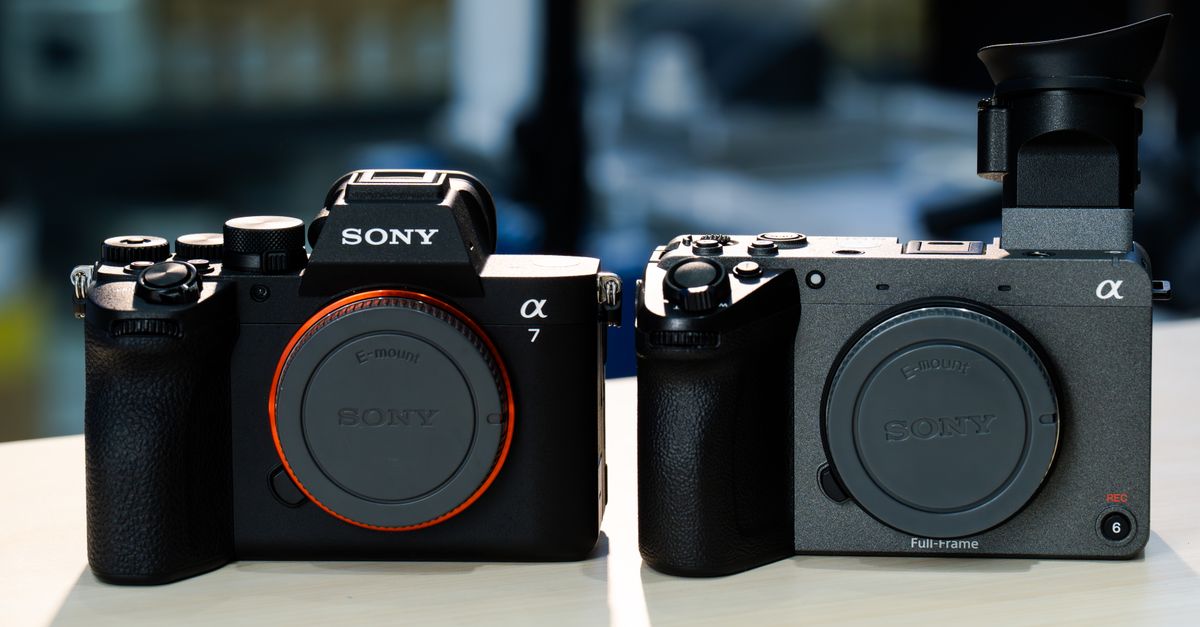
A grounded assessment of neuromorphic event cameras for robotics, grading shipping hardware, pilot deployments, and early announcements while mapping India import pathways and approximate landed costs.

A technical evaluation of quasi-direct-drive (QDD) joint actuators, examining their gear reduction strategies, backdrivability characteristics, control requirements, and verified hardware deployments. Includes India market availability and landed cost estimates.

A grounded assessment of three leading 5-finger robotic hands, grading claims by shipping status, comparing actuation architectures, control requirements, and realistic India availability.
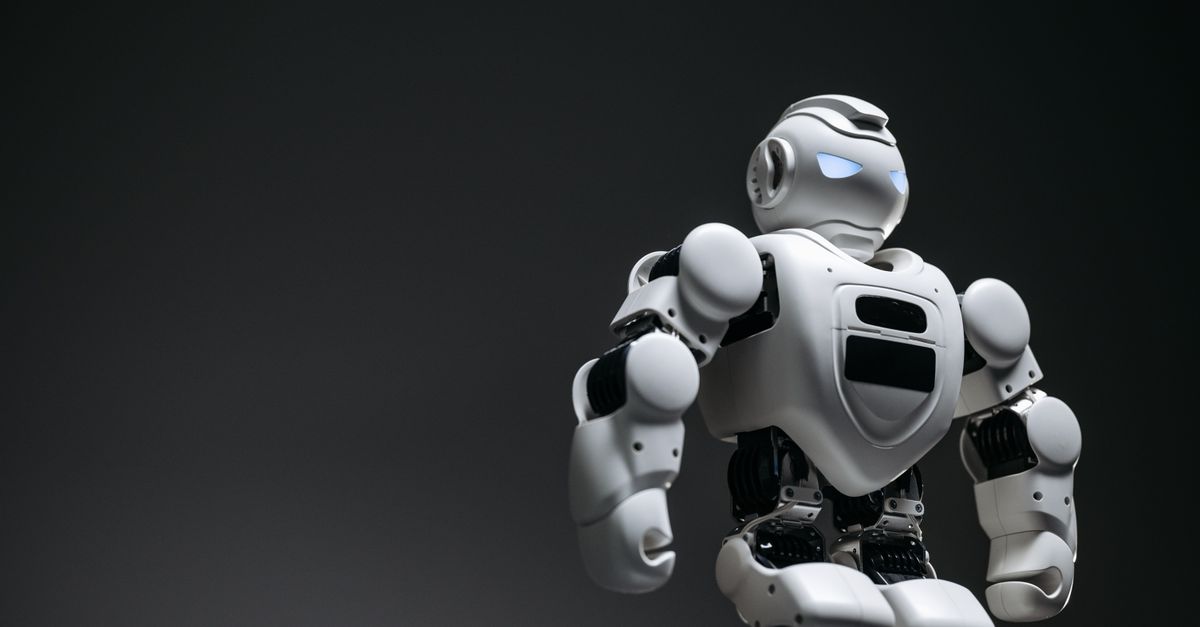
An evidence-based assessment of lithium-ion battery architectures deployed in commercial humanoid robots, evaluating real-world power density, thermal management constraints, and operational runtime. Includes India availability, landed pricing, and a strict grading framework for manufacturer claims.

A grounded review of harmonic drive technology, manufacturing constraints, shipping hardware availability, and India market realities for precision reducers in industrial arms and humanoid robots.

Robot Operating System 2 is a middleware framework, not an operating system. This article breaks down its DDS backbone, lifecycle management, and real-world deployment grading, with verified India availability and landed cost estimates for commercial support and compatible hardware.

A technical assessment of Nvidia’s Isaac simulation, reinforcement learning, and robotics infrastructure stack, evaluating shipping status, pilot deployments, and India market availability.

A grounded assessment of MuJoCo and competing physics simulators powering reinforcement learning for humanoid and industrial robots, covering architecture, real-world deployment status, India availability, and verifiable industry adoption.

A grounded assessment of open-source robotics software, datasets, and inference models, separating shipping hardware realities from announcements, with India availability and landed cost estimates for builders.

A grounded assessment of the Vision-Language-Action model wave, evaluating RT-2, Octo, and OpenVLA against pilot deployments and commercial hardware. Includes India availability notes and realistic pricing context.

A technical overview of how teleoperation, demonstration recording, and behavior cloning are applied to current humanoid and manipulator platforms, with hardware grades, India market context, and verified manufacturer references.

An evidence-based review of how reinforcement learning drives locomotion and manipulation in modern humanoids, graded by shipped hardware, pilot deployments, and verified announcements, with India market context.
A grounded assessment of simulation-to-reality transfer pipelines, evaluating NVIDIA Isaac Sim and MuJoCo against shipping hardware, pilot deployments, and verifiable industry adoption.

A grounded evaluation of RT-2, Physical Intelligence, and NVIDIA GR00T. We separate shipping hardware from pilot deployments and public announcements, clarify India availability, and assess the real trajectory toward general-purpose robotic policies.

A grounded assessment of shipping solid-state LiDAR, time-of-flight modules and stereo depth cameras for humanoid platforms. Graded by hardware availability, pilot deployments and announcements, with landed cost estimates and integration constraints for the Indian market.
A technical assessment of MuJoCo and competing physics engines used in reinforcement learning for robotics. Covers architecture differences, compute requirements, simulation-to-reality limits, India infrastructure availability, and verified industry adoption.