Software Stacks
Modern robots run on open-source middleware. ROS 2, Isaac Sim, MuJoCo and the growing ecosystem of robotics libraries are covered here.
Topics in Software Stacks
24 articles

Robot Operating System 2 is a middleware framework, not an operating system. This article breaks down its DDS backbone, lifecycle management, and real-world deployment grading, with verified India availability and landed cost estimates for commercial support and compatible hardware.

A technical assessment of Nvidia’s Isaac simulation, reinforcement learning, and robotics infrastructure stack, evaluating shipping status, pilot deployments, and India market availability.

A grounded assessment of MuJoCo and competing physics simulators powering reinforcement learning for humanoid and industrial robots, covering architecture, real-world deployment status, India availability, and verifiable industry adoption.

A grounded assessment of open-source robotics software, datasets, and inference models, separating shipping hardware realities from announcements, with India availability and landed cost estimates for builders.
A technical assessment of MuJoCo and competing physics engines used in reinforcement learning for robotics. Covers architecture differences, compute requirements, simulation-to-reality limits, India infrastructure availability, and verified industry adoption.

A pragmatic assessment of open-source robotics software stacks, open models, and datasets. Evaluates vendor claims against shipped hardware, pilot deployments, and press announcements, with specific notes on India availability and approximate INR pricing.

A factual breakdown of ROS 2 architecture, deployment status across shipping hardware, commercial support economics, and availability within the Indian robotics ecosystem.
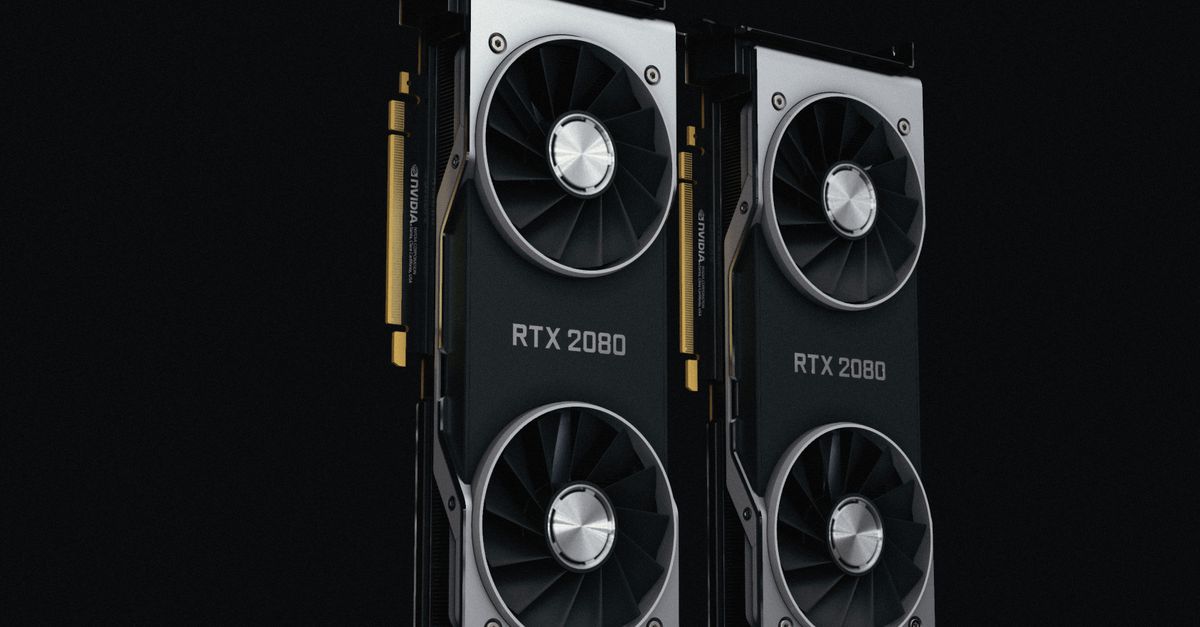
A grounded assessment of Nvidia’s Isaac ecosystem for humanoid robotics, evaluating Isaac Sim, Isaac Lab, and Isaac Groot against real deployment metrics, licensing structures, and India market access.

A grounded examination of ROS 2 as the de-facto robotics middleware, covering its DDS-based architecture, real-time guarantees, ecosystem maturity, and practical deployment considerations for Indian developers and manufacturers.

A measured assessment of NVIDIA Isaac Sim, Isaac Lab, and Isaac Groot—what ships today, where pilot deployments actually run, and how Indian developers can access the stack with realistic cost and infrastructure considerations.

A technical breakdown of MuJoCo and competing physics engines in robotic reinforcement learning, graded by actual shipping hardware, pilot deployments, and India market availability. Focuses on verified deployments, simulation fidelity constraints, and landed cost estimates for Indian research labs and startups.
A grounded assessment of open-source robotics software stacks, models, and tooling available to builders. Focuses on shipping frameworks, verified datasets, and practical deployment realities, with specific notes on India availability and landed costs.
A grounded breakdown of Robot Operating System 2 as robotics middleware, covering its DDS-based architecture, real-world deployment tiers, Indian market availability, and engineering trade-offs for developers and manufacturers.
A factual breakdown of Nvidia’s Isaac software stack for humanoid robotics, covering simulation, reinforcement learning training, and ROS 2 deployment frameworks, with India market availability and cost considerations.

An objective assessment of MuJoCo and competing physics engines used in reinforcement learning for robotics, graded by actual hardware deployment, pilot programs, and vendor documentation, with India market availability and compute cost estimates.

A grounded assessment of open-source middleware, foundation models, and simulation ecosystems for robotics builders, graded by shipping hardware, pilot deployments, and vendor announcements, with India market availability and landed cost estimates.
A technical examination of MuJoCo and competing physics engines for reinforcement learning, graded by deployment evidence, India availability, and real-world simulation constraints.

A grounded assessment of the open-source robotics stack, examining which models, datasets, and tooling have moved past announcements into practical deployment, with notes on Indian builder access and compute costs.
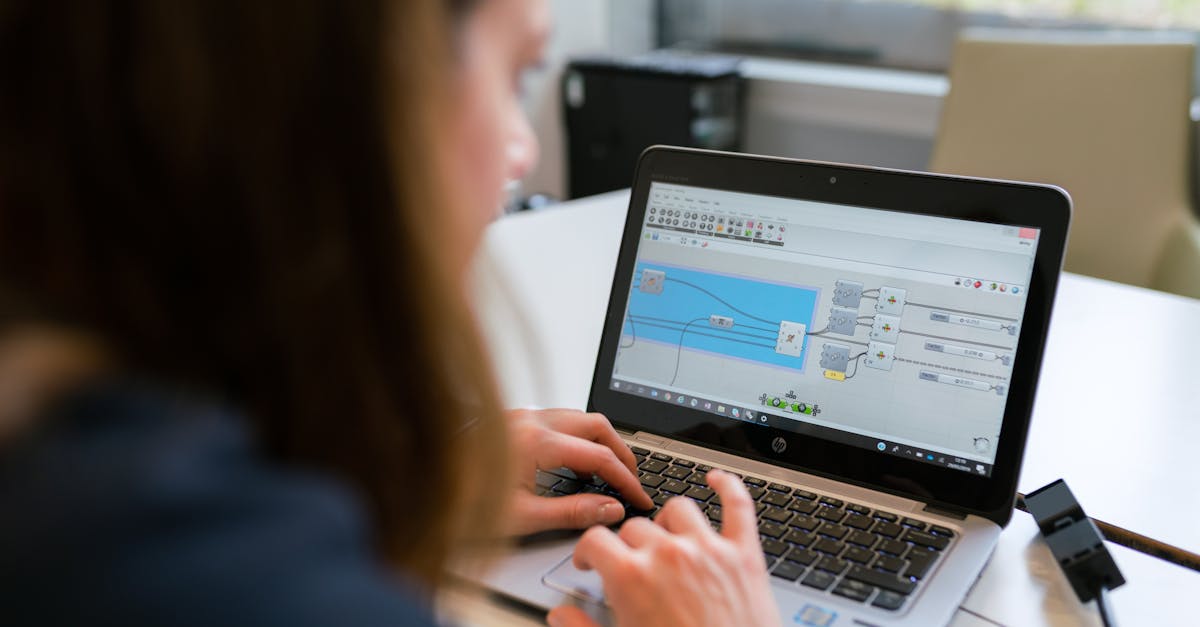
An operational breakdown of ROS 2, its DDS-based architecture, actual shipping hardware deployments, pilot validation, and India market availability with grounded cost estimates.

A grounded assessment of Nvidia’s Isaac software stack, covering Isaac Sim, Isaac Lab, and Groot. Examines shipping status, simulation-to-real pipelines, hardware dependencies, and India availability with landed cost estimates.
A technical and deployment-focused examination of ROS 2 as the standard robotics middleware, covering its DDS architecture, shipping hardware integrations, pilot programs, and India market availability with approximate pricing.

A measured assessment of Nvidia Isaac Sim, Isaac Lab, and Groot, graded by actual deployment status, compute economics, and India availability. The stack ships as middleware, not hardware, with simulation and RL training pipelines now used in partner pilots rather than commercial end-product deployments.
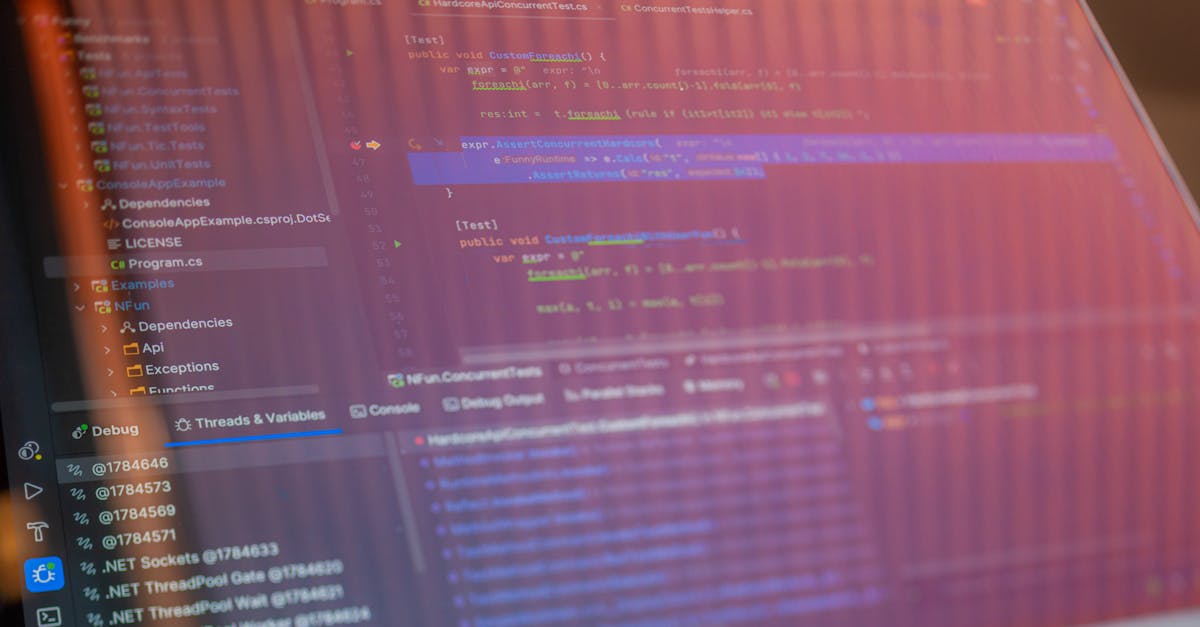
A grounded assessment of MuJoCo and competing physics simulators for robotic reinforcement learning, graded by actual hardware deployment, pilot telemetry, and vendor announcements, with India compute availability and landed cost estimates.

A factual breakdown of open models, datasets, and tooling for robotics builders, graded by actual shipping hardware and pilot deployments, with India market pricing and availability context.