
AI & Robotics
The AI breakthroughs powering modern robots: VLA models, imitation learning, sim-to-real transfer and the robotics foundation models from DeepMind, Nvidia, Tesla and Figure.
Topics in AI & Robotics
24 articles

A grounded assessment of the Vision-Language-Action model wave, evaluating RT-2, Octo, and OpenVLA against pilot deployments and commercial hardware. Includes India availability notes and realistic pricing context.

A technical overview of how teleoperation, demonstration recording, and behavior cloning are applied to current humanoid and manipulator platforms, with hardware grades, India market context, and verified manufacturer references.

An evidence-based review of how reinforcement learning drives locomotion and manipulation in modern humanoids, graded by shipped hardware, pilot deployments, and verified announcements, with India market context.
A grounded assessment of simulation-to-reality transfer pipelines, evaluating NVIDIA Isaac Sim and MuJoCo against shipping hardware, pilot deployments, and verifiable industry adoption.

A grounded evaluation of RT-2, Physical Intelligence, and NVIDIA GR00T. We separate shipping hardware from pilot deployments and public announcements, clarify India availability, and assess the real trajectory toward general-purpose robotic policies.

A factual assessment of the emerging VLA paradigm, evaluating RT-2, OpenVLA, and Octo against deployment realities, hardware requirements, and India market availability. The analysis grades claims strictly by shipping hardware, pilot deployments, and announcements.
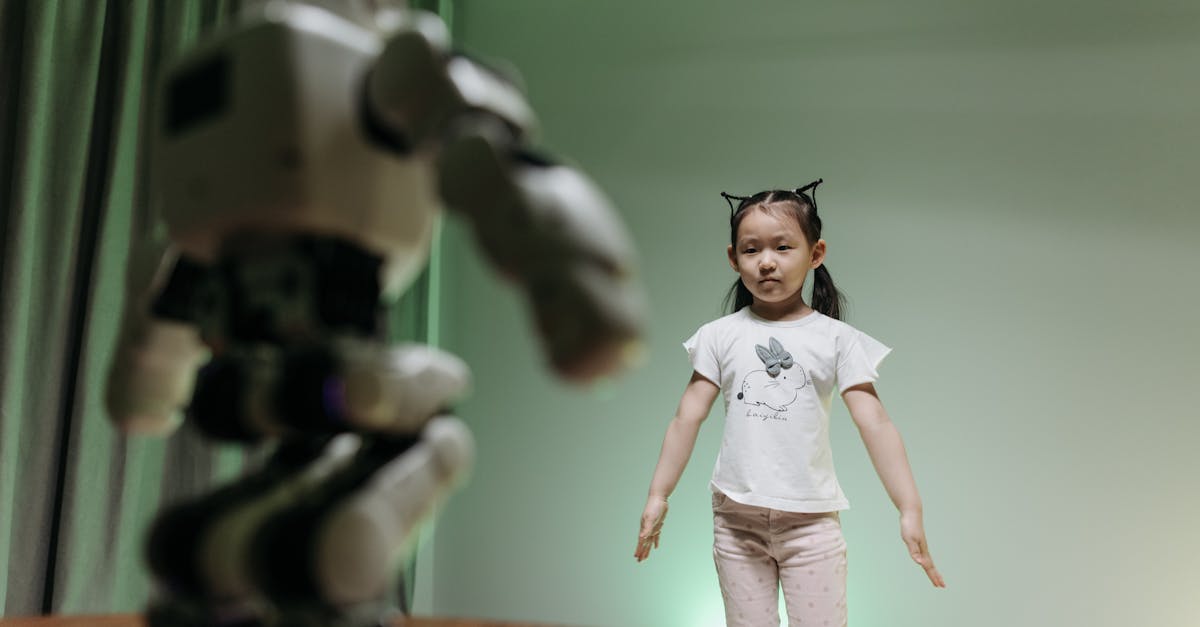
A grounded assessment of imitation learning in humanoid robotics, graded by shipping hardware, pilot deployments, and manufacturer announcements. Covers teleoperation data pipelines, behaviour cloning architectures, real-world deployment status, India availability, and approximate INR pricing.

A hardware-graded analysis of how reinforcement learning drives real-world humanoid motion and dexterous manipulation, separating shipped units and pilot deployments from conceptual announcements, with India market context.

A measured assessment of simulation environments like NVIDIA Isaac Sim and Google DeepMind’s MuJoCo in bridging the reality gap for humanoid and mobile robots. The analysis grades claims by shipping hardware first, pilot deployments second, and announcements last, with explicit notes on India availability and landed cost estimates.

An evidence-graded analysis of RT-2, Physical Intelligence (Pi), and NVIDIA Isaac Groot. The focus remains on verified demonstrations, pilot deployments, and realistic India availability rather than conceptual announcements.
A grounded evaluation of the Vision-Language-Action (VLA) model paradigm, analyzing RT-2, Octo, and OpenVLA against current hardware shipping standards, pilot deployment realities, and India market availability, with clear distinctions between research announcements and production-ready systems.
A grounded assessment of imitation learning for humanoids, covering teleoperation, demonstration pipelines, and behaviour cloning. Graded against shipping hardware, pilot deployments, and announced roadmaps, with explicit notes on India availability and landed cost estimates.
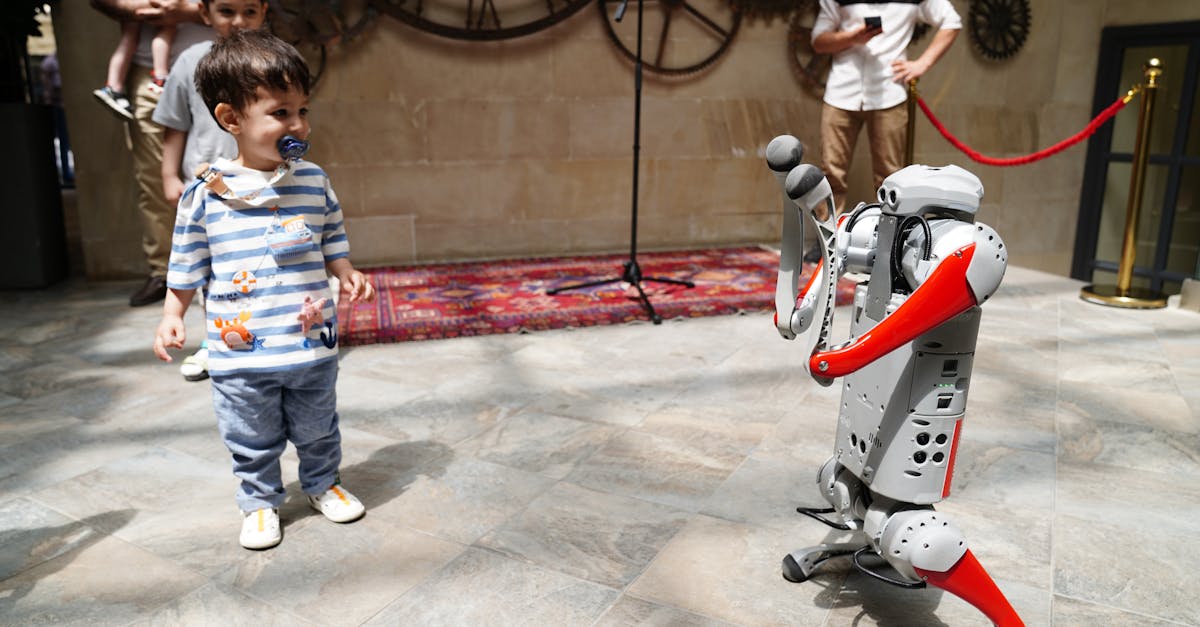
A grounded assessment of how reinforcement learning drives locomotion and manipulation in shipping humanoid robots, with a focus on verified deployments, hardware realities, and India market availability.

A hardware-first analysis of sim-to-real pipelines, focusing on Isaac Sim and MuJoCo, the engineering requirements to cross the reality gap, and the current state of shipping hardware, pilot deployments, and India market availability.
A grounded assessment of robotics foundation models, tracking the transition from research announcements to pilot deployments, with explicit grading of claims and India market availability.
A technical assessment of the Vision-Language-Action (VLA) paradigm, evaluating RT-2, Octo, and OpenVLA against shipping hardware, pilot deployments, and published research. Includes integration pathways and approximate cost estimates for the Indian robotics market.
A technical examination of imitation learning workflows in humanoid robotics, covering teleoperation hardware, demonstration data pipelines, and behaviour cloning algorithms. Assesses current shipping hardware, pilot deployments, and India market availability with grounded pricing estimates.

A measured evaluation of reinforcement learning deployed in humanoid locomotion and manipulation, graded by shipping hardware, pilot deployments, and public announcements, with explicit notes on India market availability and approximate landed pricing.

An engineering-focused assessment of sim-to-real pipelines, comparing NVIDIA Isaac Sim and DeepMind MuJoCo against shipping hardware, pilot deployments, and India infrastructure costs.

A grounded assessment of robotics foundation models, evaluating RT-2, Groot, and Physical Intelligence’s contributions against real deployment milestones, hardware constraints, and India’s market readiness.
A grounded assessment of the VLA model paradigm, evaluating RT-2, Octo, and OpenVLA against actual hardware integrations, pilot deployments, and India market availability.

A technical breakdown of imitation learning in humanoid robotics, covering teleoperation data collection, behavior cloning, shipping hardware status, pilot deployments, and India market availability.
A hardware-graded analysis of how reinforcement learning has moved from simulation to shipping humanoid platforms, examining verified locomotion pipelines, manipulation demos, factory pilots, and current India market availability.
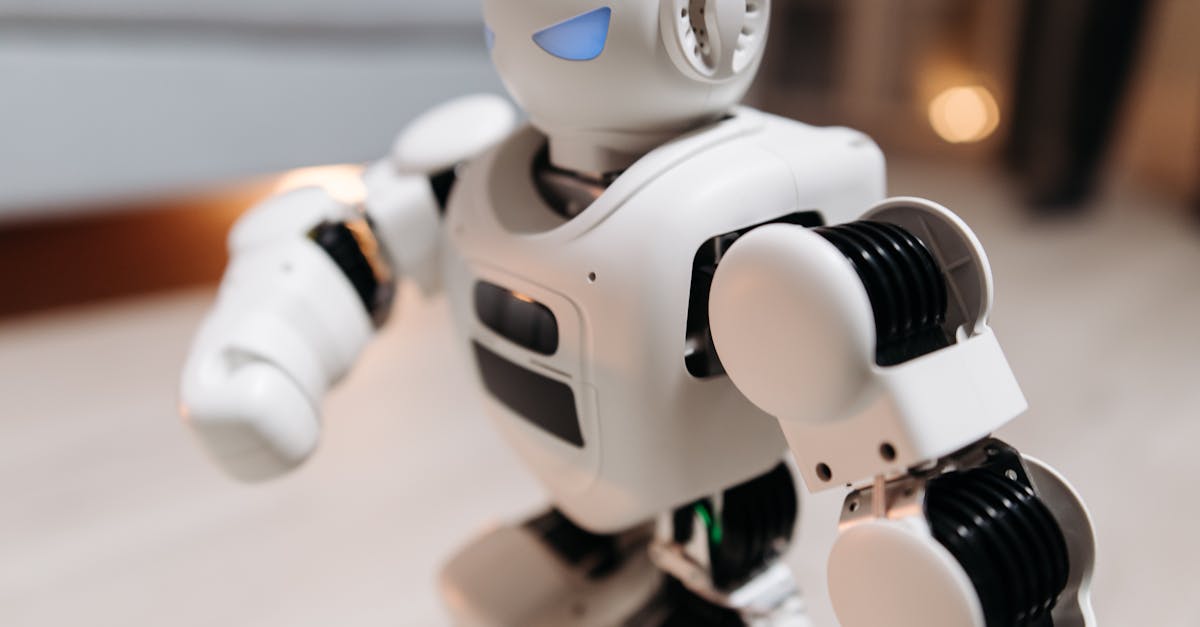
A grounded assessment of simulation frameworks for robotics, evaluating Isaac Sim and MuJoCo against verified hardware deployments, pilot data, and India market availability.